Introduction
Diabetes is a big problem in Pakistan, affecting millions of people in the country. It’s spreading fast and is a major public health issue. This article will explore the causes of diabetes in Pakistan and why it’s spreading so fast. By knowing the root causes we can prevent and manage it better.
Problem: The Rise of Diabetes in Pakistan
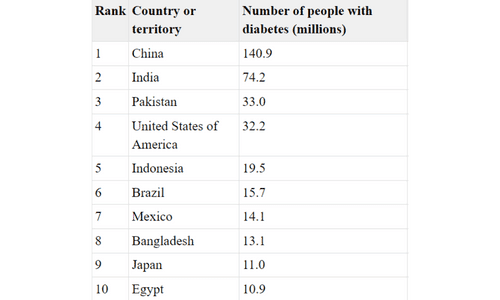
Diabetes has reached epidemic levels in Pakistan. According to International Diabetes Federation 33 million adults in Pakistan are living with diabetes, it’s one of the top countries with highest prevalence rates. So many questions arise, Why is diabetes spreading so fast in Pakistan? What are the underlying causes of this epidemic?
Chronic illnesses, such as diabetes, often have broader implications for mental health, similar to conditions like schizophrenia, which also significantly impact public health in Pakistan.
Types of Diabetes
Before we get into the causes let’s understand the types of diabetes:
- Type 1 Diabetes: An autoimmune condition where the immune system attacks the insulin producing cells in the pancreas. It usually appears in puberty.
- Type 2 Diabetes: The most common type, where the body becomes resistant to insulin or doesn’t produce enough insulin. It’s largely preventable and linked to lifestyle.
- Gestational Diabetes: Occurs during pregnancy and usually goes away after childbirth, but can increase the risk of developing type 2 diabetes later in life.
Why Diabetes is Spreading So Fast

1. Genetics
- Genetic Factors: Studies show that genetic weakness plays a big role in diabetes in Pakistan. People with family history of diabetes are at higher risk of developing it. Research from Journal of Diabetes and Metabolic Disorders shows that genetic factors contribute to 40% of diabetes in the country.
- Familial Risk: A family history of diabetes significantly raises the likelihood of developing the disease. According to a study published by Journal of Primary Care Diabetes, individuals with a diabetic parent or sibling have a 2 to 6 times higher risk of developing diabetes.
- PCOS and Diabetes: Women with PCOS are at a higher risk of developing diabetes due to insulin resistance. Research from the Endocrine Society of Pakistan shows a strong link between PCOS and increased diabetes risk among women.
2. Lifestyle Factors
- Sedentary Lifestyle: The modern lifestyle in Pakistan, with reduced physical activity and increased screen time, is a big contributor to the rise of diabetes. A study by Pakistan Journal of Medical Sciences found that lack of exercise increases the risk of type 2 diabetes by 80%.
- Obesity: Obesity, especially abdominal obesity, is a major risk factor for diabetes. According to National Institute of Health (NIH), 30% of the adult population is obese in Pakistan, which increases the risk of diabetes. Managing obesity and other chronic diseases at home requires a comprehensive approach, similar to caring for cancer patients, to ensure effective health management.
- Body Mass Index (BMI): High BMI is a well-known risk factor for diabetes. The Pakistan Demographic and Health Survey (PDHS) reports that obesity rates have doubled over the past two decades, with a direct correlation to the increase in diabetes cases.
- No Exercise: Sedentary lifestyle is a major contributor to diabetes. Pakistan Health Research Council says only 20% of the population is physically active, adding to the diabetes burden.
3. Environmental Factors
- Urbanization: Urbanization in Pakistan has changed dietary habits, more consumption of processed and high calorie food. This has led to increase in obesity and diabetes.
- Dietary Habits: Refined sugars, fats and carbohydrates are common in Pakistani diet. Traditional diet is being replaced by fast food, resulting in unhealthy eating habits which increase diabetes risk.
4. Autoantibodies in Bloodstream
- Autoimmune Factors: In type 1 diabetes autoantibodies in bloodstream indicate autoimmune response. Research conducted by Diabetes Association of Pakistan found that these autoantibodies are present in many patients, a possible cause of diabetes.
5. Age
- Age Factor: While diabetes can occur at any age but risk increases with age. National Institute of Health (NIH) highlights that people above 45 are more prone to develop type 2 diabetes, a trend seen in Pakistan’s aging population.
6. PCOS (Polycystic Ovary Syndrome)
- PCOS and Diabetes: Women with PCOS are more likely to develop diabetes due to insulin resistance. Research from WebMD shows strong link between PCOS and increased diabetes risk in women.
7. Abnormal Cholesterol & Triglycerides
- Lipid Imbalance: Abnormal cholesterol and triglycerides are linked to diabetes. A study in Pakistan Journal of Cardiology found 60% of diabetics in Pakistan have dyslipidemia.
8. High Blood Pressure
- High Blood Pressure: High blood pressure is linked to diabetes and creates a vicious cycle. Pakistan Hypertension and Diabetes Survey says 50% of diabetics also have hypertension.
To stop the spread of diabetes in Pakistan:
- Public Awareness: Educate the public about diabetes risk factors, symptoms and prevention methods through awareness campaigns so they can make better choices.
- Lifestyle Changes: Encourage physical activity, balanced diet and weight management and you will reduce the risk of diabetes by a lot.
- Healthcare Access: Improve access to healthcare services, screenings and early interventions and you will be able to manage and prevent diabetes.
- Research and Collaboration: Research and collaboration between healthcare professionals, researchers and policymakers will lead to innovative solutions for diabetes prevention and management.
Conclusion
Diabetes in Pakistan is a big issue with genetic, lifestyle and environmental factors. By knowing the causes of diabetes we can work towards a healthier Pakistan. Awareness, education and action is the key to stop this epidemic and better life for millions of Pakistanis.

One comment
ऑनलाइन इंस्टाग्राम वीडियो डाउनलोडर
October 20, 2024 at 11:10 pm
Your writing is not only informative but also incredibly inspiring. You have a knack for sparking curiosity and encouraging critical thinking. Thank you for being such a positive influence!