Introduction
What is a Stroke?
A stroke is a medical emergency that occurs when the blood supply to a part of the brain is interrupted or reduced, preventing brain tissue from getting enough oxygen and nutrients. Without prompt treatment, brain cells begin to die, leading to potential brain damage and loss of function.
Strokes are a significant health concern in Pakistan, where diabetes is a prevalent risk factor that contributes to the increasing number of stroke cases. Stroke rehabilitation is a crucial aspect of recovery and can significantly impact the quality of life post-stroke.
Related Article: 7 Main Causes of Stroke in Pakistan.
Types of Strokes
There are two main types of strokes:
Ischemic Stroke:
This is the most common type, accounting for about 87% of all strokes. It happens when a blood clot blocks or narrows an artery leading to the brain. Often caused by fatty deposits that build up in the blood vessels, known as atherosclerosis.
Hemorrhagic Stroke:
This type occurs when a blood vessel in the brain bursts, causing bleeding (hemorrhage) inside the brain. Can be caused by high blood pressure, aneurysms, or other blood vessel abnormalities.
Why Immediate Treatment is Crucial
When a stroke occurs, every second counts. The sooner treatment begins, the better the chances of minimizing brain damage and improving recovery outcomes. Immediate treatment can significantly influence the extent of a patient’s recovery and their overall quality of life. Here’s why acting quickly is essential:
-
Reducing Brain Damage:
- Brain cells start to die within minutes of being deprived of oxygen. Prompt medical intervention can help restore blood flow to the affected area, reducing the extent of brain damage.
- For ischemic strokes, clot-busting drugs like tissue plasminogen activator (tPA) can be administered within a few hours of symptom onset to dissolve the clot and restore blood flow.
-
Improving Recovery Outcomes:
- Patients who receive early treatment often have a better starting point for rehabilitation. They may experience fewer complications and a shorter recovery time.
- Immediate treatment helps stabilize the patient’s condition, preventing complications such as additional strokes, brain swelling, or infections.
Is It Possible to Cure a Stroke at Home?
While a stroke is a medical emergency that requires immediate professional medical attention, ongoing recovery and rehabilitation can take place at home after initial treatment. It’s important to understand that curing a stroke, in the sense of completely reversing all effects, is not always possible. However, with the right rehabilitation practices, many stroke survivors can recover significant function and improve their quality of life.

Best Practices for Stroke Rehabilitation at Home
Stroke rehabilitation at home is a critical phase of recovery that focuses on regaining independence, improving quality of life, and preventing further strokes. The home environment, being familiar and comfortable, can provide the ideal setting for ongoing rehabilitation. However, success depends on a well-structured plan, consistent practice, and support from family and healthcare professionals.
Here are 5 best practices to consider:
1. Establish a Consistent Routine
Establishing a routine is crucial in stroke rehabilitation at home, as it helps to provide structure and predictability, which are beneficial for both physical and emotional recovery. Daily routines should incorporate specific rehabilitation activities, such as physical exercises, cognitive tasks, and self-care routines. A structured routine not only aids in physical rehabilitation but also instills a sense of control and normalcy, which is vital for psychological well-being.
2. Involve Family Members and Caregivers
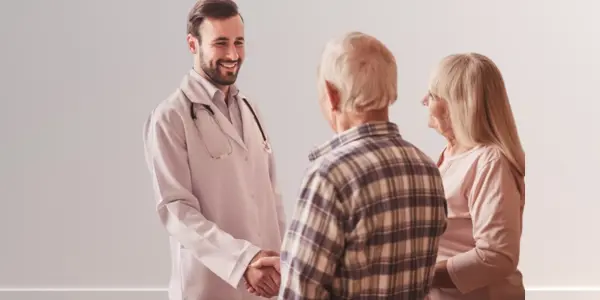
The role of family members and caregivers in the rehabilitation process cannot be ignored. They provide essential emotional support, encouragement, and assistance with daily tasks, which can significantly impact a stroke survivor’s recovery. By being involved in therapy exercises, caregivers can help ensure that the rehabilitation plan is consistently followed and adjust activities as needed. Caregivers also educate family members about stroke and its effects which enables them to empathize with the survivor’s challenges and contribute effectively to their care.
3. Create a Safe Home Environment
Creating a safe and accessible home environment is essential for stroke rehabilitation. Simple modifications can prevent accidents. Assistive devices such as walkers or wheelchairs should be readily available for those with mobility challenges. These adaptations help reduce the risk of falls, empower stroke survivors to perform daily activities with confidence, and make the home a supportive space for recovery.
4. Physiotherapy
Physiotherapy is a crucial component of stroke rehabilitation, focusing on restoring mobility, strength, and coordination. It involves tailored exercises designed to improve muscle function, balance, and joint flexibility, enabling stroke survivors to perform daily tasks more independently. Simple exercises like leg lifts, arm raises, and seated marching can be practiced at home with the guidance of a physiotherapist. These exercises not only enhance physical capabilities but also boost confidence and prevent muscle stiffness.

5. Monitor Health and Manage Medications
Ongoing health monitoring and medication management are crucial components of stroke rehabilitation at home. Regular check-ups with healthcare providers allow for the tracking of recovery progress and enable necessary adjustments to be made to the rehabilitation plan. Adhering to prescribed medications is vital in managing underlying health conditions, such as hypertension or high cholesterol, that may have contributed to the stroke. This compliance helps prevent further strokes and supports overall health.